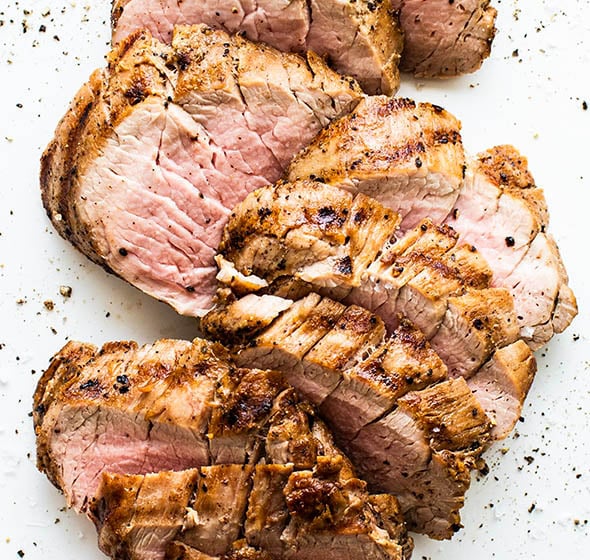
Pork Tenderloin vs. Loin: Grill Secrets for a Perfectly Juicy Cut
Grilling pork can be an incredibly rewarding experience, yielding tender, smoky, and flavourful results that rival any restaurant dish. However, confusion often arises when choosing between two popular cuts: pork tenderloin and pork loin. While their names are similar, treating them interchangeably is a surefire way to culinary disappointment. Understanding the distinct characteristics of each and mastering their respective grilling techniques is the secret to achieving a perfectly juicy cut every time. This guide will demystify these cuts, explore different grilling approaches, and equip you with the knowledge to make your next grilled pork a resounding success.
Pork Tenderloin vs. Pork Loin: Understanding the Key Differences
Before we even think about firing up the grill, it's crucial to understand the fundamental distinctions between pork tenderloin and pork loin. Despite their similar-sounding names, these are two very different cuts that demand unique cooking methods.
*
Pork Tenderloin: Also known as pork filet or pork tender, this cut is long, thin, and cylindrical, typically weighing between 1 to 1.5 pounds. It comes from along the pig's backbone and is incredibly lean and tender. Its slender shape means it cooks very quickly, making it ideal for high-heat, fast grilling. It's often considered the pork equivalent of beef filet mignon due to its tenderness.
*
Pork Loin: In contrast, pork loin (also called pork loin roast or center-cut pork loin roast) is a much larger, thicker cut, often weighing 2 to 5 pounds. It's wider and flatter, resembling a large roast. While also lean, its size and muscle structure require a slower, lower-heat cooking approach to ensure even cooking without drying out the exterior. Pork loin is more forgiving when cooked slowly, allowing for a delicious, uniform result.
The key takeaway here is simple:
they are not interchangeable in recipes. A grilling method perfect for a quick-cooking tenderloin will ruin a larger loin, and vice-versa.
Mastering the Grilled Pork Tenderloin Recipe: A Flavorful Journey
The pork tenderloin is a true grilling superstar – affordable, versatile, and capable of incredible flavour. Its lean nature means it cooks quickly, but it also means it can dry out if overcooked. The goal is always a juicy, tender interior.
The Marinade Advantage: Alton Brown's Chipotle-Lime Secret
One of the best ways to infuse flavour and add a layer of protection against drying out is through a well-crafted marinade. Alton Brown's approach to a
flavourful and healthy grilled pork tenderloin uses a vibrant chipotle-lime marinade that’s both simple and effective.
The magic of this marinade lies in its balance:
*
Acidity (Lime Juice & Zest): The lime juice helps tenderize the meat while imparting a bright, citrusy flavour. The zest adds an extra aromatic punch.
*
Sweetness (Honey): Honey provides a subtle sweetness that balances the acidity and promotes beautiful caramelization on the grill, creating a delicious crust.
*
Savoury & Spicy (Salt, Garlic Powder, Chipotle in Adobo): Kosher salt and garlic powder are foundational flavour enhancers. The star, however, is the chipotle chile pepper in adobo sauce. This ingredient brings a complex smoky heat and a touch of tangy richness that elevates the entire dish.
Preparation Steps:
1.
Trim: Always start by trimming any silver skin (a tough, silvery membrane) and excess fat from the tenderloin. Silver skin doesn't render and becomes chewy when cooked.
2.
Mix Marinade: Combine lime zest, lime juice, honey, salt, and garlic powder in a jar and shake well.
3.
Marinate: Pour half the mixture into a resealable bag, add the chipotle pepper, and then the tenderloin. Seal, removing as much air as possible, and refrigerate for 6 to 24 hours, rotating periodically. This extended marination time allows the flavours to deeply penetrate the meat. Reserve the other half of the marinade for basting/serving.
4.
Bring to Room Temp: Before grilling, remove the tenderloin from the fridge and let it sit at room temperature for 20-30 minutes. This helps it cook more evenly.
No-Marinade Magic: Quick & Delicious Tenderloin
Sometimes, you don't have hours to marinate, and that's perfectly fine! A fantastic grilled pork tenderloin recipe doesn't always require an overnight soak. Many chefs achieve incredible results with a simple, flavourful rub and quick cooking. This method highlights the natural tenderness of the pork.
The secret here lies in a robust dry rub that creates an instant flavour crust. Think garlic powder, onion powder, paprika, brown sugar, salt, and pepper. The key is to pat the tenderloin thoroughly dry before applying the rub, allowing it to adhere better and promoting a beautiful sear. For a rapid and delicious result, learn how to
Master Juicy Grilled Pork Tenderloin in 25 Minutes (No Marinade!).
Grill Setup and Technique for Tenderloin
Whether you're using charcoal or a gas grill, the principle for tenderloin is the same: medium-high to high direct heat for a relatively short time.
*
Charcoal Grill Setup: Fill a chimney starter with natural lump charcoal and light it. Once the charcoal is ashy and white (about 30 minutes), spread it evenly over the lowest grate. Place the cooking grate back on and preheat for 2-3 minutes. This ensures a hot, even cooking surface.
*
Gas Grill Setup: Preheat your gas grill to medium-high heat (around 400-450°F / 200-230°C).
*
Grilling the Tenderloin:
1. Brush your clean grill grates with vegetable oil to prevent sticking.
2. Place the tenderloin directly over the heat. Cover the grill.
3. Cook for 12 to 15 minutes total, turning the tenderloin every 1.5 to 2 minutes to ensure even cooking and a beautiful crust on all sides.
4.
Crucially, use an instant-read meat thermometer. The tenderloin is done when it reaches an internal temperature of 140°F (60°C). Remember, it will continue to cook slightly during resting.
Grilling Pork Loin: A Different Approach
Grilling a pork loin, due to its size, requires a different strategy compared to its smaller counterpart. The key here is indirect heat to allow the internal temperature to rise slowly without burning the exterior.
*
Preparation: Like tenderloin, trim any silver skin. For larger loins, a brine or a dry rub applied hours in advance can significantly boost flavour and moisture retention. Some recipes suggest butterflying the loin to create a thinner, more even piece that cooks faster.
*
Grill Setup: For a pork loin roast, set up your grill for indirect heat.
*
Charcoal: Push hot coals to one side or split them to create two zones, leaving the middle empty.
*
Gas: Turn on burners on one side to medium-low, leaving other burners off. Aim for a grill temperature of around 300-350°F (150-175°C).
*
Grilling Technique:
1. Sear the pork loin over direct heat for a few minutes per side to develop a nice crust.
2. Move the loin to the indirect heat zone.
3. Cover the grill and cook slowly, basting with a BBQ sauce or reserved marinade every 15-20 minutes if desired.
4. Cook until the internal temperature reaches 140-145°F (60-63°C) for medium-rare to medium, or up to 155°F (68°C) for medium-well, depending on your preference. Again, use a meat thermometer!
Essential Grill Secrets for Unbeatable Juiciness
No matter which cut you choose, these universal grilling principles will elevate your pork from good to unforgettable:
1.
Trim Silver Skin: This tough membrane will not break down during cooking and can make your pork chewy. Always remove it.
2.
Bring to Room Temperature: Allowing meat to sit out for 20-30 minutes before grilling helps it cook more evenly and prevents the exterior from overcooking while the interior struggles to catch up.
3.
Don't Overcrowd the Grill: Leave space between your pork pieces. This allows for proper airflow and prevents the grill temperature from dropping too much, ensuring a good sear.
4.
Use a Meat Thermometer: This is arguably the single most important tool for juicy pork. Guessing leads to overcooked, dry meat. For pork, 145°F (63°C) is the USDA recommended safe internal temperature, with a short rest time. Many chefs prefer pulling tenderloin off at 140°F (60°C) knowing it will rise to a perfect 145°F (63°C) during resting.
5.
Rest Your Meat: This step is non-negotiable for juicy results. After grilling, transfer your pork to a cutting board or, for tenderloin, wrap it tightly in foil with any reserved marinade. Let it rest for at least 10 minutes. This allows the muscle fibres to relax and reabsorb the juices, which would otherwise run out onto your cutting board.
6.
Slice Against the Grain: Once rested, always slice your pork against the grain. This shortens the muscle fibres, making each bite more tender and easier to chew.
7.
Serve with Fresh Herbs: A sprinkle of fresh cilantro, parsley, or chives adds a vibrant finish and an extra layer of flavour.
Conclusion
Grilling pork tenderloin or pork loin doesn't have to be intimidating. By understanding the distinct characteristics of each cut and applying the appropriate grilling techniques—high heat and quick cooking for tenderloin, or lower, indirect heat for loin—you're well on your way to culinary success. Remember the golden rules: trim, pre-temper, use a thermometer, and *always* rest your meat. Armed with these grill secrets, you'll consistently achieve perfectly juicy, flavourful pork that will impress friends and family alike. So, fire up that grill, grab your favourite cut, and prepare for a truly delicious experience!